
By NaJade · DJ in Bangkok · Published November 11, 2026
This guide is part of how to learn to DJ: the complete guide.
Peak time is the slot every DJ wants. It’s also the one most DJs waste in the first twenty minutes.
The warm-up DJ has done their job, the room is full, and the bar is three deep. Now it’s yours. The temptation is to play every banger you own, as loud and as fast as possible. That works for about fifteen minutes — then the crowd goes flat, because a set with no dynamics feels like one long track. Playing peak time well is less about having the biggest records and more about managing energy over one to two hours so the room keeps rising.
A peak-time set is about sustaining energy, not maxing it out. Take over smoothly from the warm-up, lift the tempo and intensity in small steps, build in short breathers every 20–30 minutes, save your strongest records for the final third, and hand over cleanly to whoever plays next.
What Peak Time Actually Means
Peak time is the part of the night when the room is at its fullest and most willing to dance — in most Bangkok clubs that’s roughly midnight to 2am, later at after-hours spots. It’s usually the headliner or resident’s slot, sandwiched between the warm-up set and the closing set.
| Slot | Your job | Typical energy |
|---|---|---|
| Warm-up | Fill the room, build trust, don’t steal the show | Low to medium, groove-led |
| Peak time | Deliver the night’s high point and keep it there | High, with planned dips |
| Closing | Bring the night home and leave a memory | Emotional, winding down or one last lift |
The tempo depends on the genre: a progressive house peak might sit around 124–128 BPM, a techno peak 130 and up. What matters more than the number is the direction — the room should feel like it’s going somewhere.
Taking Over From the Warm-Up DJ
The first ten minutes decide how the next two hours go. Walk in early, listen to where the warm-up DJ has the room, and start from their tempo and energy, not yours. A sudden jump of 6 BPM or a hard drop straight away tells the crowd the night has reset, and you lose the momentum they built for you.
- Arrive at least 30 minutes early and watch the floor, not your phone.
- Ask what they’re ending on so you can match key and tempo for the first blend.
- Play two or three tracks in their lane, then begin moving the energy your way.
- Check your levels — match their master output so the changeover isn’t a volume jump. See gain staging for DJs.
Managing Energy: Waves, Not a Wall
The most useful mental model is a wave: lift for 20–30 minutes, ease off for one or two tracks, then lift again — each peak slightly higher than the last. The dips are what make the peaks feel big.
- Raise tempo in small steps. One or two BPM every few tracks is invisible to the crowd but adds up. More in how to mix different BPMs.
- Use breakdowns as breathers. A track with a long melodic break gives the floor a moment to cheer, drink and reset without you dropping the energy.
- Change texture, not just intensity. Swap a big synth track for a percussive, vocal or groovier one at the same tempo — it feels fresh without losing the floor.
- Read the floor every few minutes. If people head for the bar during a build, shorten it. See how to read a crowd.
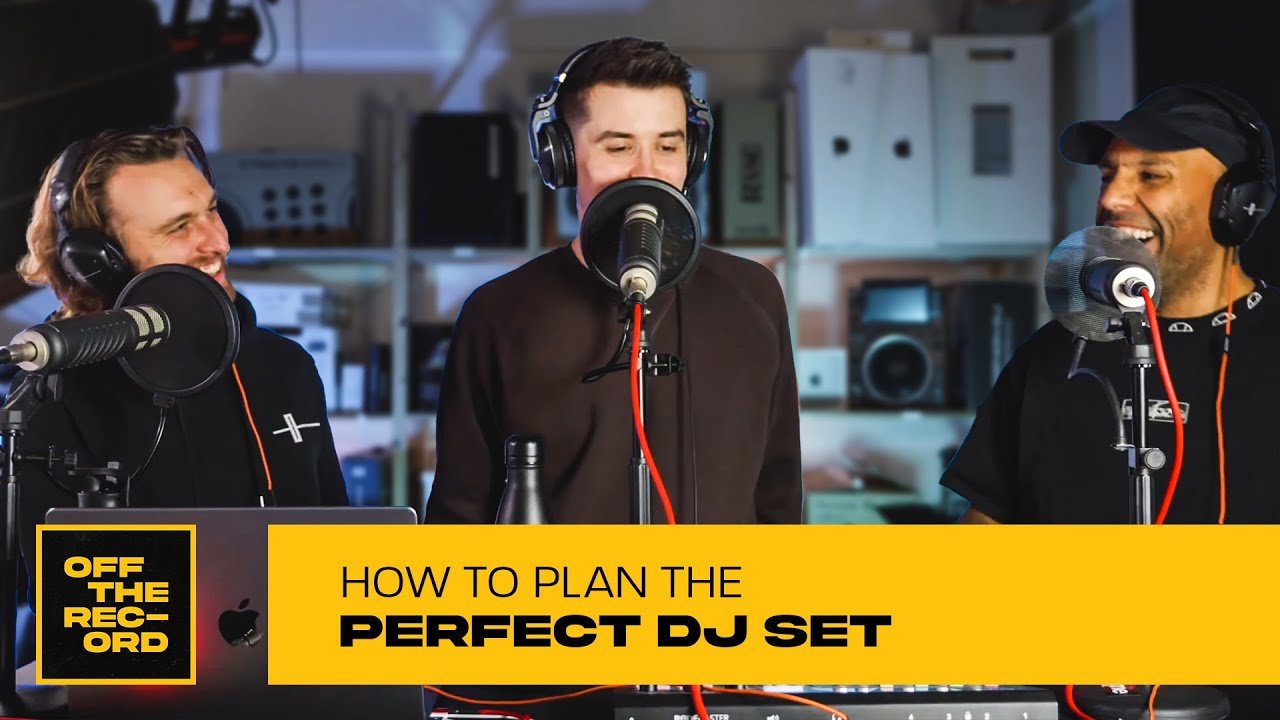
Mixing in key helps the long blends sit together cleanly, especially in melodic styles — here’s how to mix in key. Point Blank’s guide to creating engaging DJ sets covers the same arc from a teaching perspective.
Building Your Peak-Time Crate
Don’t plan a fixed tracklist — plan a crate that lets you react. A simple structure that works:
| Folder | What goes in it | How many |
|---|---|---|
| Bridges | Tracks that match the warm-up’s energy | 8–10 |
| Lifters | Driving, rising tracks that push the room up | 20–30 |
| Breathers | Groovy or melodic tracks to ease off without dropping | 8–10 |
| Weapons | Your 6–8 strongest records, saved for the final third | 6–8 |
| Handover | Tracks that leave the next DJ a clean starting point | 3–5 |
Bring roughly twice as many tracks as you’ll play. Prepare cues and loops in advance — hot cues make it easy to jump straight into a drop or extend a breakdown when the room needs it. For the bigger picture of set structure, see how to build a DJ set.
Common Peak-Time Mistakes
| Mistake | What happens | Fix |
|---|---|---|
| Bangers back to back | The room tires and flattens | Plan a dip every 20–30 minutes |
| Huge tempo jump at takeover | Momentum resets | Start at the warm-up’s BPM |
| Playing too loud | Fatigue, red lights, distortion | Keep the master out of the red |
| Using your best track first | Nothing left to build to | Save the weapons for the final third |
| Ignoring the next DJ | Awkward handover | Ask what they open with |
Long nights at loud levels also take their toll on you — protect your ears with proper hearing protection. The history of the DJ mix is full of famous peak-time moments, and almost all of them came after a quiet one.
A Note From NaJade
The first time I got a peak-time slot in Bangkok, I played everything I had in the first forty minutes. The room was wild — then it wasn’t. By 1:30am I was digging for something bigger and there was nothing left. The DJ after me opened with a slower, groovier track and the floor exploded. That taught me more than any tutorial. Now I think of peak time as two hours of breathing: in, out, a little higher each time. I still save my favourite records for the last half hour, and I still walk in early to hear what the warm-up DJ is doing. The slot isn’t a stage to show off what you own — it’s a responsibility to the whole night.
Related: how to play a warm-up set, how to play a closing set, how to build a DJ set, DJ transition techniques, and DJ booth etiquette.
Frequently Asked Questions
What is a peak-time DJ set?
How long is a peak-time set?
What BPM should a peak-time set be?
Should I play my biggest tracks at peak time?
How do I keep energy high without exhausting the crowd?
How do I hand over to the next DJ after peak time?
About the Author
NaJade is a Bangkok-based DJ playing progressive house, melodic EDM, pop, and Thai music across clubs, rooftops, and weddings in Thailand. He teaches beatmatching and mixing to beginners both in person in Bangkok and online over Zoom. When he’s not behind the decks, he’s documenting the journey on YouTube, Instagram, and TikTok.