
By NaJade · DJ in Bangkok · Published September 29, 2026
“It’s not what you know, it’s who you know” is brutally true in DJing. Here’s how to build a network that actually books you.
You can be the most technically gifted DJ in your city and still play to empty rooms — while a less skilled DJ with great relationships gets booked every weekend. That’s not unfair; it’s just how the music industry works. Gigs flow through people: promoters, venue owners, other DJs, event planners. The good news is that networking isn’t a dark art reserved for extroverts — it’s a set of genuine, learnable habits. Here’s how to build a DJ network that opens doors.
To network as a DJ, build genuine relationships rather than chasing favours: show up at events even when you’re not booked, treat other DJs as allies not rivals, support promoters and venues, and follow up after every connection. Combine real-world presence with active online engagement, always give value before asking for anything, and stay consistent — most gigs come from people who know, like, and trust you.
Why Networking Matters More Than Talent
Promoters book people they trust to show up, deliver, and not cause headaches. A personal recommendation beats a cold demo every time. This is why the best-connected DJ usually out-books the most skilled one — and why your network is arguably your single most valuable career asset. Skill gets you ready; relationships get you booked.
The Golden Rule: Give Before You Take
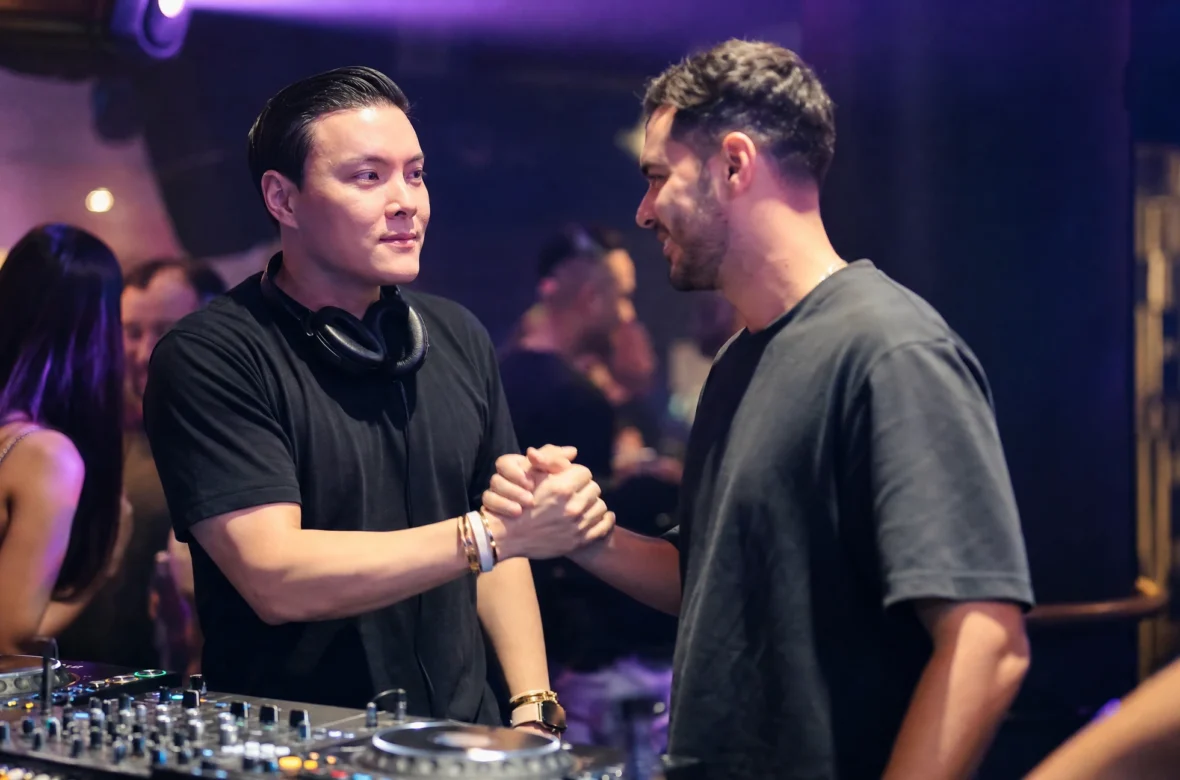
The single biggest mistake new DJs make is approaching networking as “what can you do for me?” People feel that instantly, and it repels them. Flip it: support others first, add value, be genuinely interested — and opportunities come back around. Networking is reciprocity built slowly, not favours extracted quickly.
Build Relationships With Promoters and Venues
Promoters and venue owners hold the keys to consistent gigs. The DJs who win those relationships aren’t the pushiest — they’re the most present and supportive.
Show Up — Especially When You’re Not Booked
This is the highest-leverage habit in this whole article. Attend the nights you want to play, buy a ticket, support the promoter, and make your presence known respectfully. Being a genuine part of the scene — not just someone who appears asking for slots — is what makes promoters think of you when a slot opens.
Pitch Professionally, Not Aggressively
When you do approach a venue, keep it short, specific, and matched to their vibe — don’t lead with peak-time bangers when pitching a chill rooftop bar. Have a link to your demo mix ready. And never bombard promoters with repeated cold DMs begging for gigs; that’s the fastest way to be ignored.
Treat Other DJs as Allies, Not Rivals
This mindset shift changes careers. Other DJs aren’t your competition — they’re your most valuable network. They’re the ones who refer you, cover for you, teach you, and pull you onto lineups.
- DJ swaps and referrals. When you can’t take a booking, recommend a trusted DJ friend — and they’ll return the favour. Knowing other DJs in your area literally creates gigs with no extra effort.
- Cover each other. Being able to send a reliable replacement when you’re sick or away protects your reputation with the venue and builds deep goodwill.
- Collaborate. Guest sets, back-to-backs, or forming a duo/collective pool your audiences and contacts, exposing you to each other’s crowds.
- Learn from them. More experienced DJs are a shortcut past mistakes — most are happy to share if you’re humble and genuine.
Network Online the Right Way
Your online presence is a networking tool, not just a highlight reel. Used well, it’s how you stay on people’s radar between real-world meetings.
- Join local DJ communities — Facebook groups, Discords, and forums where your scene actually hangs out. Be helpful, not promotional.
- Engage genuinely with other DJs’ and promoters’ posts — comment, share, hype their events. Visibility through generosity.
- Use DMs personally. A specific, warm message (“loved your set at X”) opens doors that a copy-paste pitch never will.
- Keep your profile booking-ready so anyone who discovers you can hear your sound and reach you in one tap.
Online and offline reinforce each other — meet someone at an event, then connect online to keep the relationship warm. For the full content side of this, see how to promote yourself as a DJ.
Don’t Forget Event Vendors
One of the most overlooked networks, especially for weddings and corporate work: other event professionals. Photographers, planners, venues, and caterers constantly get asked “do you know a good DJ?” If you’re reliable and easy to work with, they’ll recommend you for years. Treat every vendor at a gig as a future referral source — a friendly introduction and a business card can turn into a steady booking stream. (This is gold for wedding DJs.)
Where to Network as a DJ
Different settings serve different goals. Here’s where to focus your energy and what each is best for:
| Where | Who you’ll meet | Best for |
|---|---|---|
| Club & bar nights | Promoters, venue owners, resident DJs | Getting on local lineups |
| Other DJs’ gigs | Fellow DJs, the scene | Referrals, swaps, collabs |
| Weddings & events | Photographers, planners, caterers | Vendor referrals, repeat work |
| Industry meetups & conferences | Agents, brands, established artists | Bigger opportunities, credibility |
| Online communities | DJs, promoters, fans | Staying visible between events |
| Your own night | Everyone — you’re the host | Becoming a scene connector |
The Follow-Up Most DJs Skip
Meeting someone is step one; the magic is in the follow-up, which is exactly where most DJs drop the ball. A simple system:
- Connect within 24–48 hours while you’re fresh in their mind — a friendly follow on socials or a short message.
- Reference something specific from your conversation so it’s clearly personal, not a template.
- Stay in light, periodic touch — engage with their posts, congratulate wins. Don’t only message when you want something.
- Follow up after ~5–7 days if a pitch goes unanswered. Bookings often take several touches; be persistent but never pushy.
- Say thank you. After a referral or a gig, a genuine thank-you (even a small gift) makes people want to help you again.
Start Your Own Night
The ultimate networking move: become the person who books others. Starting a small night — even at a quiet venue trying to build midweek traffic — flips you from gig-seeker to connector. You meet every DJ who wants to play, build a direct relationship with the venue, and become a known name in the scene. It’s more work, but few things grow your network faster than being the one holding the lineup.
A Note From NaJade
I’m naturally more of an introvert, so “networking” used to make me cringe — it sounded fake, like collecting contacts to use them. What changed everything was realising that real networking is just friendship with people who love the same thing you do. I started showing up to nights not to hustle for slots, but because I genuinely wanted to be part of the scene. I hyped other DJs because I actually rated them. I covered gigs, made introductions, said thank you. And almost everything good in my DJ life — gigs, collabs, friendships — came back through those relationships, often years later and from directions I never expected. So don’t “network.” Just be a generous, reliable, genuine member of your music community, and stay consistent. The bookings follow the trust.
Networking turns skills into a career — pair it with a strong DJ brand, a great demo mix to share, and the wider playbook in how to get your first DJ gig. Want to sharpen the skills behind the relationships? My DJ lessons run in person in Bangkok or online over Zoom.
Frequently Asked Questions About DJ Networking
How do DJs network and get gigs?
How do I approach promoters without being annoying?
Should I see other DJs as competition?
How important is online networking for DJs?
Why should I network with photographers and event planners?
I’m an introvert — can I still network as a DJ?
About the Author
NaJade is a Bangkok-based DJ playing progressive house, melodic EDM, pop, and Thai music across clubs, rooftops, and weddings in Thailand. He teaches beatmatching and mixing to beginners both in person in Bangkok and online over Zoom. When he’s not behind the decks, he’s documenting the journey on YouTube, Instagram, and TikTok.