

By NaJade · DJ in Bangkok · Published November 10, 2026
Krung Thep Aphiwat Central Terminal (formerly Bang Sue Grand Station) is Bangkok’s main long-distance train station. Since 19 January 2023, express and sleeper trains to Chiang Mai, the northeast and the south leave from here, not Hua Lamphong. The easiest way there is the MRT Blue Line to Bang Sue, which connects directly to the station.
I have caught the overnight train to Chiang Mai for gigs more than once, and the first time I nearly went to the wrong station — Hua Lamphong is still open, still beautiful, and still in every old guidebook. Here is what actually leaves from where, how to get to Krung Thep Aphiwat on time, and what to expect when you arrive.
Long-distance and sleeper trains now leave from Krung Thep Aphiwat, not Hua Lamphong. Take the MRT Blue Line to Bang Sue and walk through the underground link, or take a taxi or Grab outside rush hour. Book sleepers early on SRT’s D-Ticket site and arrive 30–45 minutes before departure.
Krung Thep Aphiwat at a Glance
| Question | Answer |
|---|---|
| Old name | Bang Sue Grand Station (Bang Sue Central) |
| Long-distance trains since | 19 January 2023 — 52 services moved from Hua Lamphong |
| Nearest MRT | Bang Sue (Blue Line), linked underground |
| Commuter rail | SRT Dark Red Line to Rangsit, Light Red Line to Taling Chan |
| Location | Chatuchak district, north Bangkok |
| Size | Largest railway station in Southeast Asia, 26 platforms |
The station opened in 2021 for the SRT Red Line commuter trains, then took over long-distance intercity services in January 2023. Details from Wikipedia’s Krung Thep Aphiwat entry. It is huge, modern and mostly easy to navigate, but it is a long way from where most visitors stay — so plan the journey to the station as carefully as the train itself.
Which Trains Use It (and Which Still Use Hua Lamphong)
- Krung Thep Aphiwat: all long-distance express, rapid and sleeper trains — north to Chiang Mai, northeast to Nong Khai and Ubon, and south to Hua Hin, Surat Thani and Hat Yai.
- Hua Lamphong (Bangkok station): still runs a small number of ordinary and commuter trains, including some to Ayutthaya, the east and Pattaya. These stop at every station and are slow but cheap.
- Thonburi station: handles some western-line trains, including Kanchanaburi services. Check which station your train uses before you leave.
If you are heading to Chiang Mai or Hua Hin by express or sleeper, it is Krung Thep Aphiwat. For a cheap local train to Ayutthaya, check your ticket — it may still be Hua Lamphong.
How to Get There
| Method | Cost (approx.) | Time from downtown | Notes |
|---|---|---|---|
| MRT Blue Line | Around 30–45 baht | 30–50 min | Ride to Bang Sue, follow signs; no traffic risk |
| Taxi | Around 130–200 baht | 25–60 min | Ask for the drop-off gate; traffic varies hugely |
| Grab | Fixed fare in app | 25–60 min | Easiest with heavy luggage |
| Local train | A few baht | Variable | Hua Lamphong to Bang Sue Junction; can be delayed |
The MRT is the most reliable choice when you have a fixed departure. Take the Blue Line to Bang Sue and walk through the underground link — see the MRT Bangkok guide for fares and cards. From Sukhumvit, you can ride the BTS to Asok and change to the MRT at Sukhumvit station. A metered taxi or Grab is fine outside rush hour, but at 5–7pm a 25-minute ride can easily double. Fare figures from Seat61’s Thailand train guide.
Tickets, Platforms and Timing
- Book online: SRT’s D-Ticket website has an English version and accepts most foreign cards. Choose “Krung Thep Aphiwat” as origin or destination.
- Book sleepers early: lower berths and first-class cabins on Chiang Mai sleepers sell out weeks ahead, especially around New Year and Songkran.
- Carry your passport: it may be needed to buy or collect tickets at the counter.
- Arrive 30–45 minutes early. Platforms usually open about 20 minutes before departure, and the departure boards don’t always show platform numbers early — listen for announcements or ask staff.
- Ticketing and waiting are on the ground floor; long-distance trains leave from the elevated platforms above.
Facilities Inside the Station
The main hall has ticket counters, seating, convenience stores and food outlets, free toilets and left-luggage lockers. It is big and can feel empty at night, but it is well lit and staffed. Buy water and snacks before boarding — food on long-distance trains is limited, and the dining car is not guaranteed. Getting off a night train at 6am? The MRT starts running early, and you can also book a Grab from the drop-off area. For the bigger picture of moving around the city, see how to get around Bangkok.
A Note From NaJade
The building still impresses me every time — it is enormous, almost too quiet for Bangkok. My advice is simple: give yourself more time than you think you need. I once left Sukhumvit by taxi ninety minutes before a sleeper and spent most of it sitting on the expressway in the rain. Now I take the MRT, buy a bag of fruit and some water at the station, and sit in the hall watching the departure boards. It turns the start of a long trip into something calm. And if your ticket says Hua Lamphong, enjoy it — that old station is part of the city’s history.
More: Bangkok to Chiang Mai, the MRT guide, Don Mueang Airport to the city, and how to get around Bangkok. Booking: SRT D-Ticket.
Frequently Asked Questions
Is Krung Thep Aphiwat the same as Bang Sue?
Do trains still leave from Hua Lamphong?
How do I get to Krung Thep Aphiwat by MRT?
How much is a taxi to Krung Thep Aphiwat?
How early should I arrive for my train?
Can I book Thai train tickets online?
About the Author
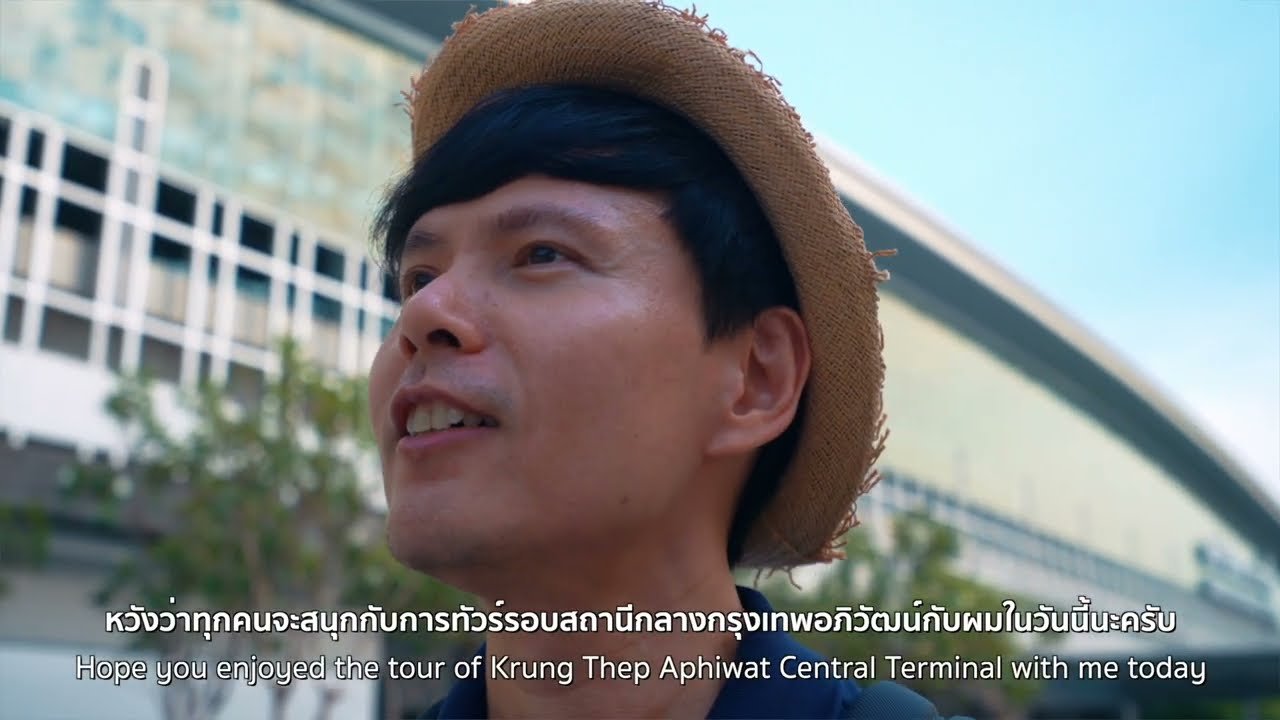
NaJade is a Bangkok-based DJ playing progressive house, melodic EDM, pop, and Thai music across clubs, rooftops, and weddings in Thailand — and has lived in the city long enough to have made every one of these mistakes at least once. Find him on YouTube, Instagram, and TikTok.
🎧 Listen to his latest set · 💌 Book him for your venue or event