
By NaJade · DJ in Bangkok · Published September 29, 2026
This guide is part of how to learn to DJ: the complete guide.
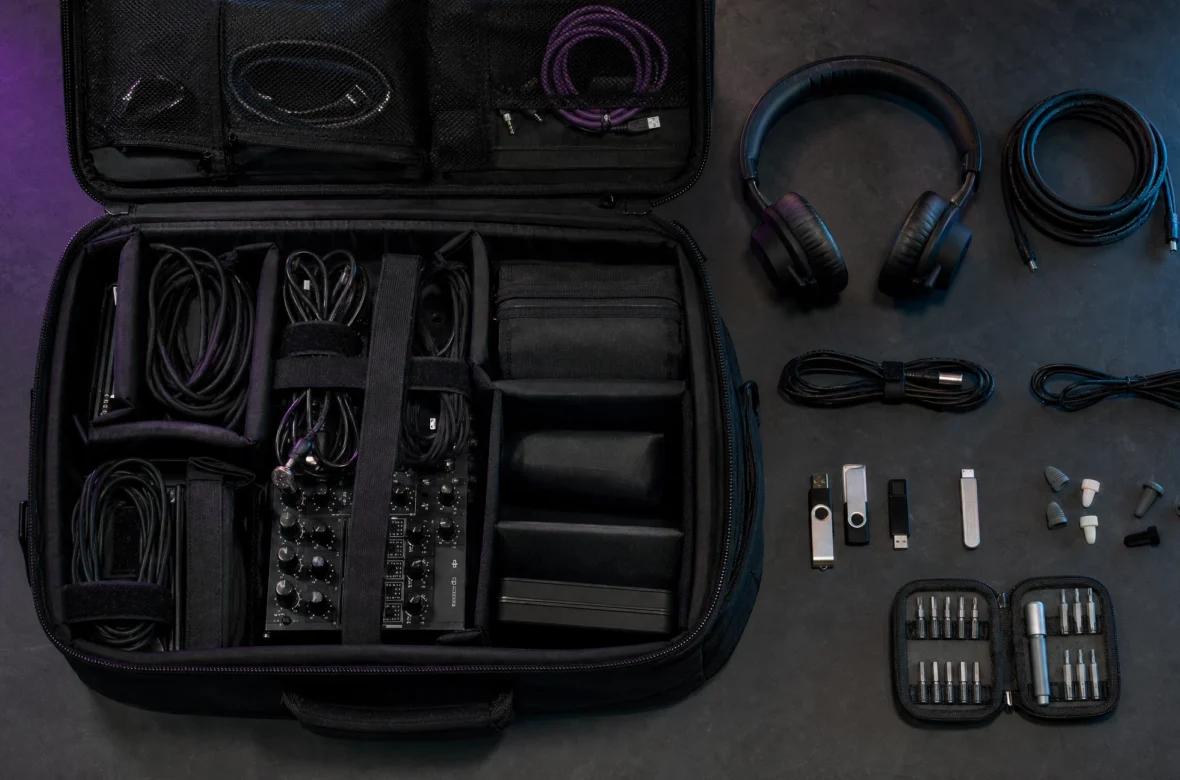
The full gig bag checklist — gear, cables, documents and the unglamorous items that save a night. Checklists aren’t about being clever, they’re about not doing something stupid.
Every DJ has a story about the thing they forgot. Mine involved a USB cable and a forty-minute round trip. The thing about gig disasters is that they’re almost never caused by a gap in skill — they’re caused by a five-dollar item sitting at home on a desk, and they’re entirely preventable with a list you run through before you leave. This is that list, organised by category, plus the arrival routine that catches what the packing didn’t.
Pack the night before, not the night of. Bring backups of anything that would end your set if it failed — a second USB, a spare cable of every type, an emergency mix. Then bring the boring stuff that nobody lists: earplugs, photo ID, an extension cable, water, and a charged phone. Arrive 60 to 90 minutes before your set, not fifteen.
First: Ask What’s Already There
Before packing anything, check with the venue or organiser what you’re expected to bring. Nothing in this article beats a direct conversation with whoever booked you, and ideally a look at the booth. A club gig and a mobile gig are completely different packing problems, and assuming is how people end up carrying a PA they didn’t need or arriving without one they did.
The Core Gear
| Item | Why |
|---|---|
| Music on 2+ USBs | One fails, you keep playing. Non-negotiable |
| Laptop + charger | If your setup needs it. Start fully charged |
| Headphones | Plus the adapter, which is the part people forget |
| Controller or extra deck | Only if the venue doesn’t supply it |
| Laptop stand | Booth surfaces are unpredictable |
| Cables — a spare of each type | RCA, USB, power, adapters |
| Extension cable | The socket is never where you need it |
| Microphone | If you’re announcing. Bring the cable too |
| External recorder | Or record in software — see below |
Two rules on gear. Use proper bags or cases — soft cases and rucksacks are fine, but carrying gear in the boxes it came in is not a good look and doesn’t protect it. And set everything up at home and test it first, exactly as you wouldn’t take a new tent camping without pitching it in the garden.
The Stuff That Isn’t Gear
This is where most disasters actually live. Some of it is obvious, which is the point — checklists exist to stop you doing something stupid rather than something clever.
- Keys — hearing the door click behind you and realising you can’t drive to the gig is a specific kind of awful.
- Wallet and cash — don’t rely on being paid in order to have money for the night. Promoters can be flaky.
- Photo ID — most venues require it on entry, and that often includes the DJ. Check the door policy and any dress code while you’re at it.
- Phone and charger — you’ll use it constantly, possibly as a music backup, and a battery pack is worth it.
- Earplugs — you’re in a loud environment for hours, repeatedly, for years. This is the one item on this list that protects your career.
- Medication — painkillers, antacids, whatever you need. Don’t get caught short at the start of a five-hour set.
- Water and emergency food — an irritable, dehydrated DJ is a worse DJ. Eat a proper meal two to three hours before you play.
- Business cards — still the fastest way to turn a compliment into a booking.
- A small tool kit — gaffer tape, cable ties, a screwdriver, a torch.
- Sunglasses — daytime parties and sunrise finishes both happen.
The Emergency Mix
Worth its own section because it’s the single best insurance policy in DJing. Keep a pre-recorded mix of your own on a USB, an hour or so long, appropriate to the kind of gig you play.
If your laptop dies, your controller fails or something genuinely goes wrong, you plug in the USB, press play, and the room never knows. Without it you’re standing in silence in front of a full floor. It costs you nothing to prepare — see how to record a DJ mix.
Before You Leave, and When You Arrive
- Pack the night before. Packing on the day of the gig is how things get forgotten. Use a list every time, even when you’re sure.
- Prep your laptop at home. Pause automatic updates, set power to high performance, close everything that isn’t DJ software. Do it before you leave, not in the booth.
- Charge everything fully, even things that will be plugged in at the venue. Bring spare batteries for anything battery-powered.
- Plan the route and add 30 minutes to whatever the map says. In Bangkok, add more.
- Arrive 60–90 minutes before your set for load-in — not fifteen. This is the difference between a professional and someone who got lucky.
- Set your levels before you play. A clean gain structure takes five minutes and decides how the whole night sounds — see gain staging for DJs.
A Note From NaJade
The line I’d underline from all of this: the DJ who shows up unprepared isn’t being spontaneous, they’re being reckless. There’s a romantic idea that turning up with a USB and vibes is somehow more authentic, and it isn’t — it’s just offloading risk onto the promoter who booked you and the crowd who paid to be there. The two habits that changed things for me were packing the night before and arriving absurdly early. Early arrival in particular is underrated: it gives you time to sound check properly, meet the staff, watch the room fill, and work out what kind of night it’s going to be before you have to make a decision about it. And bring earplugs. I know nobody wants to hear that at twenty-five, but hearing damage is cumulative and permanent, and it’s the one thing on this list that ends careers.
Related: DJ booth etiquette, gain staging for DJs, how to record a DJ mix, and how to get DJ gigs.
Frequently Asked Questions
What should I bring to a DJ gig?
How early should a DJ arrive at a gig?
What is an emergency mix and do I need one?
Do DJs need earplugs?
How many USB drives should I bring to a gig?
Should I pack for a gig the night before?
About the Author
NaJade is a Bangkok-based DJ playing progressive house, melodic EDM, pop, and Thai music across clubs, rooftops, and weddings in Thailand. He teaches beatmatching and mixing to beginners both in person in Bangkok and online over Zoom. When he’s not behind the decks, he’s documenting the journey on YouTube, Instagram, and TikTok.